

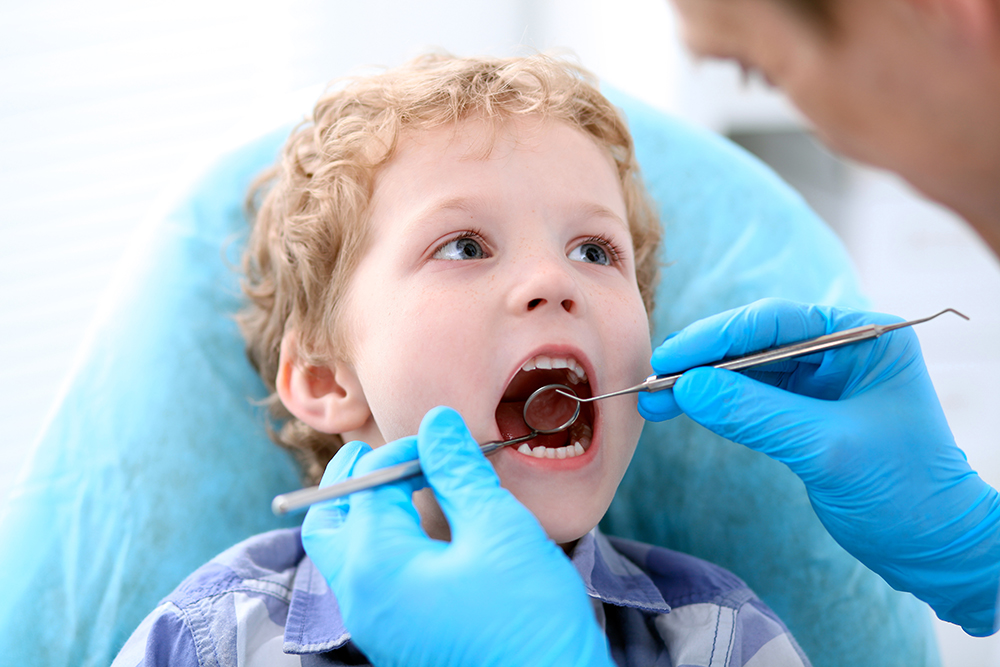
Early dental care does far more than protect baby teeth. It lays the foundation for lifelong oral health habits, reduces the risk of future dental problems, and helps children grow up feeling confident about dental visits. When introduced at the right time, dentistry becomes a normal and positive part of a child’s routine rather than something to fear or avoid.
Why Early Dental Visits Matter
The first few years of life are critical for oral development. Teeth, gums, jaw alignment, and even speech patterns are influenced during this period. Early dental visits allow problems to be identified before they become painful, expensive, or emotionally stressful.
Key benefits include:
-
Early detection of tooth decay and enamel defects
-
Monitoring jaw growth and bite alignment
-
Guidance on proper brushing, flossing, and nutrition
-
Prevention of dental anxiety through familiarity
A child who learns that the dentist is a safe and friendly place is far more likely to maintain regular checkups into adulthood.
When Should a Child First See a Dentist?
Most dental professionals recommend a child’s first dental visit by their first birthday or within six months of the first tooth erupting. This early appointment is usually short, gentle, and educational rather than clinical.
During this visit, parents gain practical guidance on:
-
Cleaning baby teeth and gums
-
Managing teething discomfort
-
Avoiding early childhood cavities
-
Understanding thumb-sucking and pacifier use
Building Healthy Habits from the Start
Children are highly influenced by routine. Early dental visits reinforce daily oral hygiene as a normal part of life, not an occasional chore.
Habits reinforced through early visits:
-
Brushing twice daily with age-appropriate toothpaste
-
Learning proper technique as coordination improves
-
Understanding the role of diet in tooth health
-
Developing accountability for personal care
These habits tend to carry forward into adolescence and adulthood, significantly lowering the risk of chronic dental issues.
Preventing Cavities Before They Start
Tooth decay is one of the most common chronic conditions in children, yet it is highly preventable. Early dental visits focus on prevention rather than treatment, helping parents understand cavity risk factors before damage occurs.
Dentists may recommend:
-
Fluoride applications to strengthen enamel
-
Sealants for vulnerable chewing surfaces
-
Diet adjustments to limit sugary snacks and drinks
-
Customized hygiene routines based on risk level
Reducing Dental Anxiety Through Familiarity
Fear often develops when dental visits begin only after pain or visible problems appear. Early, routine visits help children associate dental care with calm interactions instead of discomfort.
A positive early experience:
-
Normalizes dental environments and sounds
-
Builds trust with oral health professionals
-
Encourages open communication about discomfort
-
Makes future treatments less intimidating
Children who feel in control and informed are far less likely to avoid dental care later in life.
Supporting Overall Health and Development
Oral health is closely connected to overall health. Infections in the mouth can affect nutrition, sleep, speech development, and self-esteem. Early dental monitoring helps ensure that oral development supports a child’s broader physical and emotional growth.
Healthy teeth allow children to eat comfortably, speak clearly, and smile confidently—factors that directly influence learning and social interaction.
A Long-Term Investment in Wellbeing
Early dental visits are not just about baby teeth. They establish a mindset where preventive care is valued, problems are addressed early, and oral health becomes a lifelong priority. The small effort invested in the early years often results in fewer dental complications, lower costs, and better quality of life over time.
Frequently Asked Questions (FAQs)
1. What happens during a child’s first dental appointment?
The visit typically includes a gentle exam, basic cleaning if appropriate, and guidance for parents on home care and nutrition.
2. Are dental X-rays safe for young children?
When necessary, modern dental X-rays use very low radiation levels and are considered safe, especially with protective shielding.
3. Can baby teeth problems really affect adult teeth?
Yes. Infections or premature loss of baby teeth can impact spacing, alignment, and the health of permanent teeth.
4. How can parents prepare a child for their first dental visit?
Using positive language, reading children’s books about dentists, and avoiding scary descriptions can help create a calm mindset.
5. Is thumb-sucking always a dental concern?
Not always. Many children stop naturally, but prolonged habits can affect bite alignment and may need early guidance.
6. What foods best support strong teeth in children?
Calcium-rich foods, crunchy fruits and vegetables, and plenty of water help strengthen enamel and reduce cavity risk.
7. How often should children visit the dentist after the first appointment?
Most children benefit from checkups every six months, though frequency may vary based on individual risk factors.
