

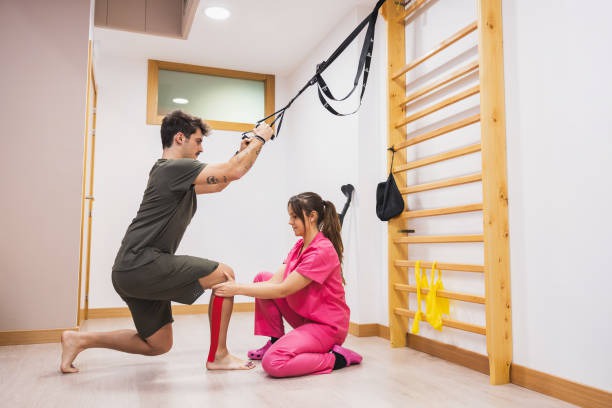
When it comes to achieving peak physical performance, many athletes and fitness enthusiasts focus primarily on their workout routines. However, it’s important to remember that the time spent recovering is just as crucial to improving strength, stamina, and overall fitness. Recovery is the body’s process of repairing muscles, replenishing energy stores, and preventing injuries, and doing it effectively can make the difference between stagnation and continuous progress. Backed by scientific research, certain recovery techniques stand out for their ability to optimize healing, reduce soreness, and improve performance. Here, we explore the top 10 exercise recovery strategies that have been validated by science.
1. Active Recovery
Active recovery refers to low-intensity exercise performed after a strenuous workout to facilitate muscle recovery and improve circulation. Contrary to the common belief that complete rest is necessary for recovery, research has shown that engaging in activities like walking, light cycling, or swimming can help the body clear metabolic waste products like lactic acid from muscles. This process helps reduce muscle soreness and stiffness while promoting blood flow, which delivers nutrients and oxygen to damaged tissues.
A study published in the Journal of Strength and Conditioning Research found that active recovery significantly reduced muscle soreness after high-intensity exercise, suggesting that low-impact activities aid in faster recovery without compromising the benefits of the initial workout.
2. Foam Rolling (Self-Myofascial Release)
Foam rolling is a form of self-massage known as self-myofascial release (SMR), which targets the fascia—connective tissue surrounding muscles. It involves applying pressure to specific areas of the body using a foam roller, helping to release muscle tightness and improve flexibility.
Research shows that foam rolling can reduce muscle soreness and improve range of motion by increasing blood flow to the tissues. A study published in Frontiers in Physiology indicated that foam rolling improves flexibility without compromising strength, making it an ideal post-exercise recovery tool. Regular use can also prevent the formation of adhesions or knots in the muscles, which can lead to chronic discomfort and movement restrictions.
3. Stretching
Stretching is another key component of an effective recovery routine. While dynamic stretching before a workout prepares the muscles for action, static stretching after exercise helps to elongate the muscles and promote relaxation. Stretching reduces muscle stiffness, improves flexibility, and helps the body return to its normal length-tension relationships after intense activity.
A study published in Scandinavian Journal of Medicine & Science in Sports highlighted that static stretching post-workout can improve muscle recovery and reduce soreness. The benefits are likely due to enhanced blood circulation, which speeds up the removal of metabolic waste and delivers essential nutrients to the muscles. Additionally, stretching helps to alleviate tension in tight muscles, reducing the risk of injury in future workouts.
4. Proper Nutrition (Protein and Carbohydrates)
Nutrition plays a pivotal role in the recovery process. After exercise, the body is depleted of glycogen and experiences muscle damage, which requires adequate nutrition to repair and rebuild tissues. Protein is essential for muscle repair, as it provides the amino acids needed to rebuild muscle fibers. Meanwhile, carbohydrates help replenish glycogen stores, which are crucial for energy during subsequent workouts.
Scientific studies support the importance of post-workout nutrition. Research published in The American Journal of Clinical Nutrition found that consuming a protein-rich meal or shake within 30 minutes to two hours after exercise significantly enhances muscle recovery. Additionally, combining protein with carbohydrates can further accelerate recovery by promoting the insulin response necessary for nutrient delivery into muscle cells.
5. Sleep
Sleep is one of the most overlooked aspects of recovery, yet it plays an indispensable role in muscle repair and overall recovery. During deep sleep, the body releases growth hormone, which is critical for tissue repair and regeneration. This is the time when muscles grow stronger and more resilient.
Multiple studies, including one published in Sports Medicine, have shown that adequate sleep enhances athletic performance, reduces fatigue, and decreases the risk of injury. Sleep deprivation, on the other hand, impairs cognitive function, reduces strength, and increases muscle soreness. Experts recommend at least 7-9 hours of sleep per night for optimal recovery.
6. Hydration
Hydration is an essential but often underemphasized element of recovery. Dehydration can lead to fatigue, muscle cramps, and impaired muscle function, all of which hinder recovery. Sweating during exercise causes a loss of fluids and electrolytes, and rehydrating is necessary to restore balance to the body’s systems.
A study in the Journal of Applied Physiology found that dehydration during exercise negatively impacts muscle performance and recovery, whereas rehydrating promptly after exercise can enhance recovery outcomes. In addition to water, consuming electrolyte-rich beverages can help replace sodium, potassium, and other electrolytes lost in sweat, supporting better recovery and preventing cramps.
7. Cold Water Immersion (Ice Baths)
Cold water immersion, or ice baths, have been a popular recovery technique among athletes for years. The practice involves submerging the body (or specific body parts) in cold water, typically at temperatures ranging from 10 to 15 degrees Celsius (50 to 59 degrees Fahrenheit).
The scientific rationale behind ice baths is that they constrict blood vessels, reduce inflammation, and decrease muscle soreness. A study published in the Journal of Sports Science and Medicine confirmed that cold water immersion reduces muscle soreness and accelerates recovery after intense exercise. However, it is essential to note that while effective for reducing muscle soreness, ice baths should not be used excessively, as they may blunt the long-term benefits of training adaptations.
8. Massage Therapy
Massage therapy, including techniques like Swedish massage and deep tissue massage, is another widely used recovery method. It helps to reduce muscle tension, improve circulation, and promote relaxation. Research published in the Journal of Athletic Training suggests that massage therapy can enhance recovery by decreasing muscle soreness and improving flexibility after exercise.
Massage works by increasing blood flow to the muscles, which helps flush out metabolic waste products and delivers nutrients necessary for muscle repair. Additionally, massage can decrease levels of cortisol (a stress hormone) and promote relaxation, making it an excellent option for reducing the mental stress that often accompanies strenuous workouts.
9. Compression Garments
Compression garments, such as sleeves, socks, or tights, have gained popularity as a recovery tool. These garments apply gentle pressure to the muscles, which can help improve blood circulation and reduce muscle vibration during exercise.
Studies have shown that wearing compression garments after exercise may reduce delayed onset muscle soreness (DOMS) and improve recovery times. Research published in The Journal of Strength and Conditioning Research demonstrated that compression garments help reduce swelling and promote better blood flow, leading to faster recovery and enhanced muscle function post-exercise.
10. Mindfulness and Relaxation Techniques
While physical recovery techniques are crucial, mental recovery is just as important. Mindfulness practices, such as meditation and deep breathing, can significantly reduce stress and promote relaxation, aiding the body’s ability to recover. Chronic stress and mental fatigue can interfere with the healing process and hinder performance in subsequent workouts.
A study published in Psychology of Sport and Exercise found that mindfulness-based interventions improved recovery by reducing anxiety and increasing relaxation, which, in turn, contributed to better physical recovery. Techniques like guided meditation or progressive muscle relaxation can lower cortisol levels and help the body enter a state of recovery, promoting optimal healing and repair.
Conclusion
Recovery is just as integral to achieving fitness goals as the workout itself. Whether you’re a seasoned athlete or a casual exerciser, understanding the science behind recovery techniques can enhance your performance, reduce the risk of injury, and ensure sustainable progress. From active recovery and foam rolling to proper nutrition and sleep, the top recovery strategies backed by science are simple yet effective ways to support your body’s healing process. By integrating these practices into your routine, you can maximize your potential and continue to push your fitness boundaries with confidence.
