

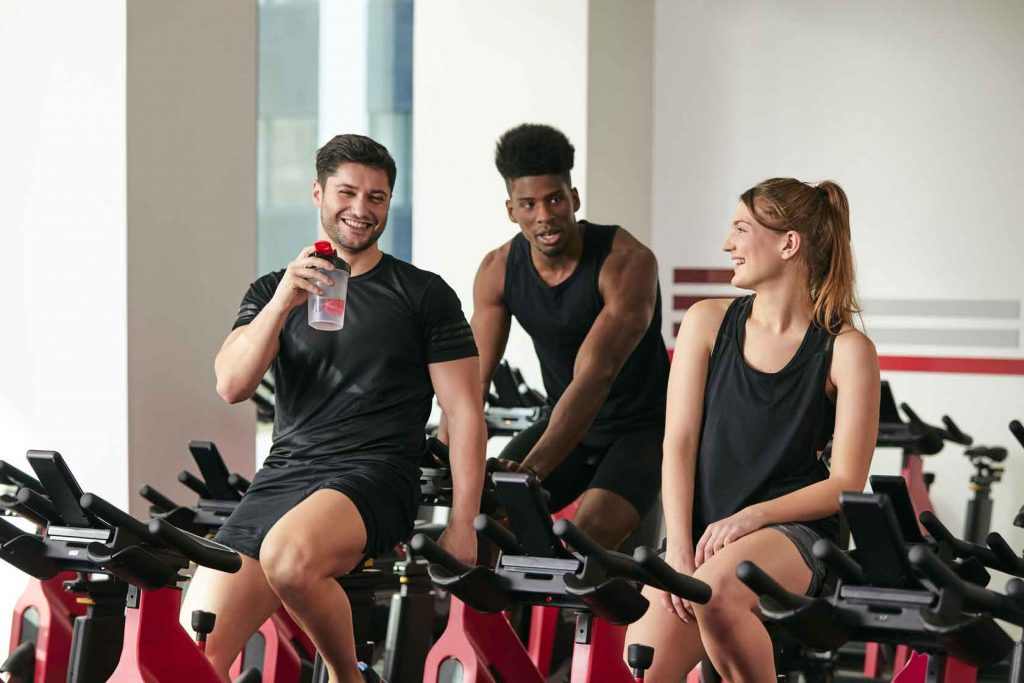
Indoor cycling has long been praised as a calorie-burning, heart-pumping workout. While many people recognise its effectiveness, fewer understand the science behind it. spinning classes are not just about pedalling to music; they are carefully designed to trigger specific physiological responses, improve metabolic efficiency, and strengthen muscle groups. By examining how RPM affects the body at a deeper level, we can see why it has become a core part of modern fitness.
In Singapore, where time is limited and efficiency matters, understanding the scientific basis of RPM gives participants a clear perspective on why it delivers such consistent results. Whether the goal is weight management, cardiovascular fitness, or muscular endurance, this form of indoor cycling provides evidence-backed benefits. True Fitness Singapore has created an environment where these scientific principles are put into practice daily, helping members make measurable progress.
How RPM Influences the Cardiovascular System
At the core of RPM is its effect on the cardiovascular system. Each class is structured with warm-up, interval-based work, and a cooldown phase. This systematic design places controlled stress on the heart and lungs, leading to long-term adaptations.
-
Heart efficiency: Regular RPM training increases stroke volume, meaning the heart pumps more blood per beat. This improves oxygen delivery across the body.
-
Lower resting heart rate: Over time, participants experience reduced resting heart rates, a sign of improved cardiovascular fitness.
-
Capillary density: Repeated cycling encourages growth of capillaries within muscle tissue, enhancing oxygen exchange.
-
VO₂ max improvements: Interval sessions in RPM challenge the body’s oxygen utilisation capacity, boosting aerobic performance.
These adaptations translate into greater endurance, reduced fatigue, and resilience against lifestyle-related diseases.
The Role of Energy Systems in RPM
Every movement in RPM draws on different energy systems, and understanding them explains why the workout is both intense and efficient.
Aerobic System
-
Dominant during steady-paced sections.
-
Uses oxygen to produce energy, supporting endurance and fat oxidation.
-
Trains the body to use fat as a long-term fuel source.
Anaerobic Glycolysis
-
Engaged during sprints or heavy resistance intervals.
-
Breaks down carbohydrates quickly without oxygen.
-
Produces lactate, contributing to the “burn” felt in legs.
Phosphagen System
-
Used in short, explosive bursts like standing starts.
-
Provides immediate energy through ATP stored in muscles.
-
Lasts only seconds but supports maximum intensity efforts.
By combining these systems within a single class, RPM replicates the demands of multiple training styles in one efficient format.
Muscle Activation and Biomechanics of RPM
Unlike casual cycling, RPM emphasises structured movements that activate multiple muscle groups.
-
Quadriceps: Primary drivers during the downstroke phase of pedalling.
-
Hamstrings: Engage during the upstroke, pulling the pedal back and up.
-
Glutes: Activated during seated climbs and standing hill simulations, contributing to power output.
-
Calves: Support ankle stability and assist in pushing through the pedal stroke.
-
Core muscles: Stabilise the upper body, particularly during standing phases.
-
Upper body: While not heavily loaded, shoulders and arms maintain balance and posture.
This holistic engagement makes RPM more than a leg workout. It trains the entire kinetic chain, fostering muscular balance and endurance.
The Science of Resistance and Cadence
Two variables define RPM: resistance and cadence. Adjusting them changes the physiological outcome of each class.
-
High resistance, low cadence: Builds strength and power, similar to climbing uphill.
-
Low resistance, high cadence: Improves speed, cardiovascular endurance, and neuromuscular coordination.
-
Moderate resistance with intervals: Provides a balanced approach, targeting both aerobic and anaerobic systems.
By manipulating these variables, instructors design sessions that achieve diverse fitness outcomes within a single workout.
Metabolic Benefits of RPM
Metabolism is one of the most cited reasons people join spinning sessions. The science supports this claim.
-
High calorie burn: Depending on intensity, a 45-minute session can burn 400–700 calories.
-
Afterburn effect: Post-exercise oxygen consumption (EPOC) keeps metabolism elevated for hours after the class.
-
Improved insulin sensitivity: Regular participation enhances the body’s ability to regulate blood sugar.
-
Fat oxidation: Alternating intensities trains the body to use fat more efficiently as a fuel source.
In a city like Singapore, where sedentary office jobs are common, these benefits play a critical role in weight and energy management.
Adaptations Over Time
With consistent participation, the body undergoes measurable changes:
-
Cardiorespiratory endurance: Noticeable improvements after 6 to 8 weeks.
-
Muscle endurance: Legs fatigue less quickly as fibres adapt to repetitive loading.
-
Body composition: Regular RPM combined with balanced nutrition reduces fat while preserving lean muscle.
-
Mental resilience: Interval training improves tolerance to discomfort, building mental strength.
These changes highlight why RPM is not only a short-term calorie burner but also a sustainable fitness practice.
Preventing Overuse and Promoting Recovery
Like any structured training, RPM must be balanced with recovery. Overuse can lead to knee discomfort, lower back strain, or muscle imbalances.
To prevent this:
-
Ensure proper bike setup before each class.
-
Alternate cycling with strength and flexibility sessions.
-
Take one or two rest days per week.
-
Prioritise stretching, foam rolling, and hydration.
This approach keeps the body resilient and reduces the risk of injury.
Why Scientific Awareness Matters
Understanding the physiology behind RPM helps participants engage more effectively. When you know why resistance matters or how intervals stimulate metabolism, each session feels purposeful rather than repetitive. It also allows individuals to align workouts with personal goals, whether cardiovascular fitness, fat loss, or muscular strength.
FAQ Section
Q. Why do my legs burn so much during RPM?
A. The burning sensation comes from lactate accumulation during anaerobic phases of the workout. With consistent training, the body adapts by clearing lactate more efficiently, reducing discomfort over time.
Q. How is RPM different from outdoor cycling in terms of muscle use?
A. While both use similar muscle groups, RPM places more consistent emphasis on cadence and resistance, making muscle engagement more controlled. Outdoor cycling involves varied terrain and balance, while RPM isolates training in a predictable environment.
Q. Can RPM improve running performance?
A. Yes. The cardiovascular improvements and leg endurance gained from RPM translate well into running. Many athletes use indoor cycling as a cross-training tool to build stamina without the joint stress of high-mileage running.
Q. Does RPM help with fat loss more than other cardio workouts?
A. RPM is highly efficient because it combines interval and endurance training. The elevated calorie burn during and after sessions makes it particularly effective for fat loss when paired with proper nutrition.
Q. Should I focus more on cadence or resistance for better results?
A. Both matter. Cadence improves speed and cardiovascular endurance, while resistance builds muscular strength. The best approach is to follow class cues that blend both, ensuring balanced development.
