

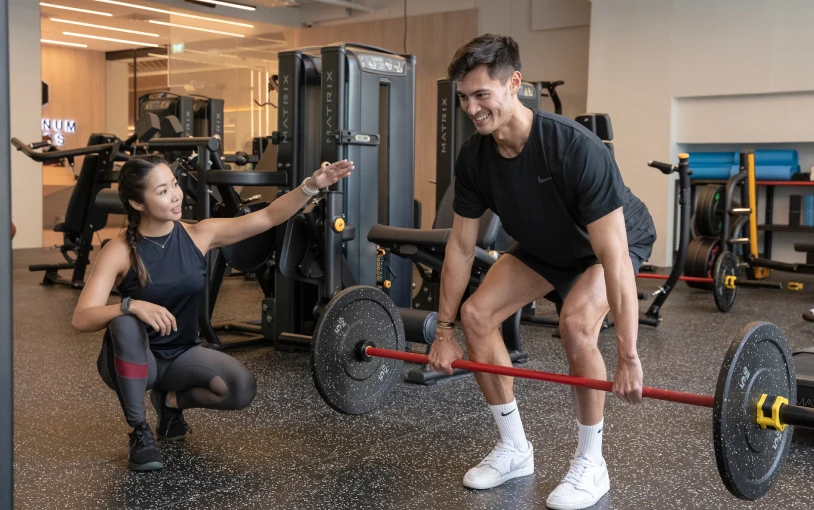
Finding a free gym in singapore is already a smart move, but using that opportunity to train in a way that actually supports your health is where the real value lies. Many people jump into intense workouts without realising how stress hormones like cortisol affect fat loss, recovery, sleep quality, and even motivation. A cortisol-friendly training approach focuses on getting results without pushing your nervous system into overdrive.
This article explores how you can use a free gym trial to train smarter, reduce stress, and build a sustainable fitness routine that fits real Singapore lifestyles, work hours, and recovery needs. The goal is not just to sweat, but to feel better, move better, and stay consistent.
Understanding Cortisol and Exercise Stress
Cortisol is often called the stress hormone. It plays an important role in energy regulation, inflammation control, and survival response. However, when cortisol stays elevated for long periods due to work pressure, poor sleep, and excessive training, it can work against your fitness goals.
High cortisol levels may lead to:
-
Increased fat storage, especially around the midsection
-
Slower muscle recovery and frequent soreness
-
Poor sleep quality despite feeling exhausted
-
Reduced motivation to train consistently
In Singapore, long working hours, screen exposure, and daily commuting already place stress on the body. Adding overly intense gym sessions on top of that can tip the balance in the wrong direction. Cortisol-friendly training focuses on stimulating progress while keeping overall stress manageable.
Why a Free Gym Trial Is Perfect for Smarter Training
A free gym trial gives you the space to explore training styles without pressure. Instead of chasing calorie burn numbers or extreme fatigue, you can focus on how your body responds to different workouts.
Using a free gym trial wisely allows you to:
-
Test training intensity without committing long term
-
Learn proper movement patterns at a relaxed pace
-
Observe recovery levels between sessions
-
Identify which workouts leave you energised rather than drained
This approach is especially valuable for working professionals, parents, and anyone returning to exercise after a long break. A free gym trial is not just a sales pitch, it is a real opportunity to build a stress-aware fitness foundation.
Signs Your Training Is Cortisol-Friendly
Cortisol-friendly training does not mean training lightly or avoiding effort. It means applying the right amount of challenge and recovery.
You are likely on the right track if:
-
You feel alert and calm after workouts instead of wired
-
Muscle soreness resolves within one to two days
-
Sleep quality improves over time
-
You feel motivated to return to the gym consistently
If workouts leave you exhausted for days, disrupt sleep, or increase cravings for sugar and caffeine, cortisol may be running high. Adjusting training style often makes a noticeable difference within weeks.
Structuring Cortisol-Friendly Gym Sessions
Strength Training With Controlled Volume
Strength training is one of the best tools for regulating cortisol when done correctly. Short, focused sessions with moderate loads stimulate muscle and metabolism without overwhelming the nervous system.
Key principles include:
-
Compound movements over excessive isolation work
-
Moderate weights that allow clean technique
-
Rest periods of 60 to 120 seconds
-
Total session length of 45 to 60 minutes
Instead of chasing failure on every set, stop one or two reps before complete exhaustion. This preserves training quality and recovery capacity.
Cardio That Supports Recovery
Cardio is not the enemy of cortisol control, but intensity matters. Long, slow sessions or extremely intense intervals performed too often can raise stress levels.
Cortisol-friendly cardio options include:
-
Brisk walking on a treadmill
-
Steady cycling at conversational pace
-
Short, controlled interval sessions once or twice weekly
Cardio should leave you feeling refreshed, not depleted. If you need stimulants just to get through a workout, intensity is likely too high.
Mobility and Breath Work
Mobility training and breathing exercises directly influence the nervous system. Including them in gym sessions helps lower cortisol and improve movement quality.
Useful practices include:
-
Dynamic warm ups focused on hips, spine, and shoulders
-
Controlled stretching post workout
-
Slow nasal breathing between sets
Even five to ten minutes of focused breathing at the end of a session can improve recovery and mental clarity.
Training Frequency That Matches Real Life
One of the biggest cortisol mistakes is training too often without adequate recovery. More is not always better, especially when balancing work and family responsibilities.
A cortisol-friendly weekly structure might look like:
-
Three to four gym sessions per week
-
At least one full rest day between intense sessions
-
Light activity or walking on rest days
Consistency matters more than volume. Training three times weekly for months will always outperform training daily for two weeks followed by burnout.
Nutrition and Cortisol Balance Around Gym Training
What you eat around workouts plays a big role in stress hormone response. Under-eating, skipping meals, or training fasted too often can spike cortisol.
Support cortisol balance by:
-
Eating a balanced meal within two hours before training
-
Including carbohydrates to fuel workouts
-
Consuming protein post workout to support recovery
In Singapore, practical options include rice-based meals, noodles with lean protein, or simple snacks like fruit and yoghurt. Nutrition does not need to be complicated to be effective.
Sleep, Recovery, and Training Quality
No training programme works without proper sleep. Cortisol naturally follows a daily rhythm, rising in the morning and falling at night. Poor sleep disrupts this rhythm.
Gym training should support better sleep, not worsen it. Signs your workouts are helping include:
-
Falling asleep faster
-
Waking up feeling refreshed
-
Reduced late-night restlessness
Avoid very intense workouts late at night if sleep is already a challenge. Earlier sessions or moderate evening workouts often work better for recovery.
Using a Gym Environment Without Pressure
A supportive gym environment plays a huge role in cortisol control. Feeling rushed, judged, or confused increases stress and reduces enjoyment.
When training at TFX Singapore, the focus is on structured sessions, professional guidance, and a balanced training environment that encourages long-term progress. Having access to proper equipment and knowledgeable trainers allows you to train efficiently without guesswork or unnecessary stress. You can explore more about the facilities and approach by visiting TFX Singapore.
Building Long-Term Habits From a Free Trial
A free trial should be treated as a learning phase, not a performance test. Pay attention to how your body responds rather than how much weight you lift or calories you burn.
Use this period to:
-
Learn correct exercise technique
-
Establish a realistic weekly schedule
-
Understand recovery needs
-
Build confidence in the gym setting
These habits carry over whether you continue at the same gym or elsewhere. A stress-aware foundation always pays off.
Real-Life FAQs on Cortisol-Friendly Gym Training
Can I still lose fat with cortisol-friendly training?
Yes. Lower cortisol levels support better fat metabolism, especially around the abdominal area. Sustainable fat loss often improves when stress is managed.
Is high-intensity training bad for cortisol?
Not inherently. High-intensity sessions are effective when used sparingly and supported by proper recovery. Problems arise when intensity is excessive or too frequent.
How soon will I feel the benefits of stress-aware training?
Many people notice better sleep and improved energy within two to three weeks. Physical changes follow as consistency builds.
Should beginners avoid challenging workouts?
Challenge is important, but it should be progressive. Training should feel demanding yet manageable, not overwhelming.
Can busy professionals follow this approach?
Absolutely. Cortisol-friendly training works especially well for busy schedules because sessions are efficient and recovery focused.
Does stretching really affect cortisol levels?
Yes. Gentle stretching and breathing activate the parasympathetic nervous system, helping reduce stress hormones after workouts.
Can I combine this with other sports or activities?
Yes, as long as total weekly stress is considered. Balance gym sessions with other physical activities thoughtfully.
Is a free gym trial enough to understand this training style?
A free trial provides valuable insight into how your body responds. It is enough to learn the basics and decide if the environment suits your needs.
Training smart is not about doing less, it is about doing what your body can recover from consistently. A cortisol-friendly approach turns a free gym experience into a long-term health investment rather than a short-lived burst of motivation.
