

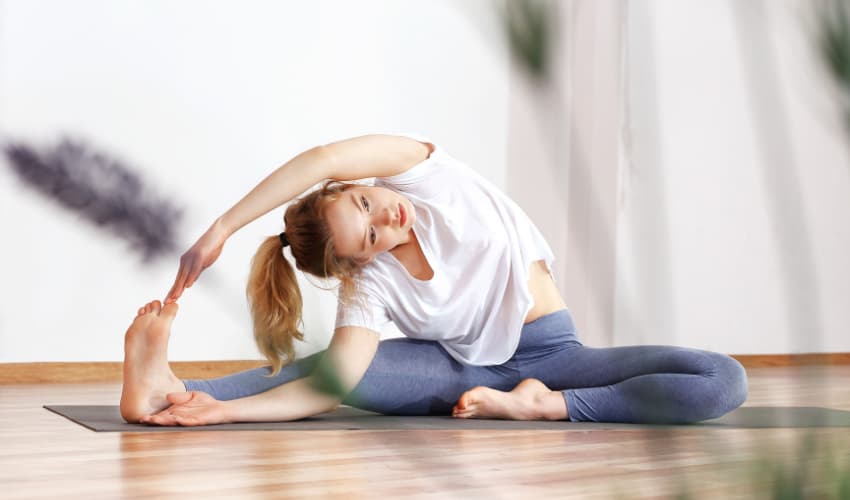
Many fitness trends promise faster results, harder workouts, and more intense routines. Still, some people do not need more speed or pressure. They need a practice that helps them slow down, understand their body, breathe better, and build stable strength. This is why hatha yoga remains highly relevant for adults who want a balanced health routine without chasing extreme flexibility or high-intensity exercise.
Hatha yoga is often misunderstood as basic or slow. In reality, its value comes from control, alignment, breath, and steadiness. It gives the body time to understand each posture. It helps students notice where they are weak, tight, rushed, or disconnected. For people dealing with desk stiffness, stress, poor posture, and low body awareness, this slower approach can be more useful than a fast workout.
Why Hatha Yoga Remains Practical
Modern adults often live with two opposite problems at the same time. Their minds are overworked, but their bodies are under-moved. They may spend the day thinking, planning, typing, calling, and responding, while the body stays seated for hours.
This creates stiffness, shallow breathing, poor posture, and low energy. A fast workout may burn calories, but it may not teach the body how to move better. Hatha yoga offers something different. It creates space to work on posture, breath, balance, strength, and awareness.
The practice is practical because it does not require the student to perform advanced movements immediately. It allows gradual progress. This makes it suitable for people who want health benefits without feeling overwhelmed.
Strength Through Stillness
Many people think strength only comes from lifting weights or moving quickly. Hatha yoga proves that stillness can also build strength. Holding a posture with proper alignment requires muscular engagement, balance, and mental focus.
For example, standing poses can strengthen the legs and hips. Plank-like positions can support the core and shoulders. Back-strengthening poses can help counter rounded posture. Balance poses can improve coordination and stability.
The strength developed in hatha yoga is not only for appearance. It supports daily life. It helps people sit, stand, bend, walk, and move with more control.
Breath as a Health Tool
Breathing is central to hatha yoga. Many adults breathe shallowly without realizing it, especially during stress or screen use. Poor breathing patterns can increase tension and make the body feel more tired.
In hatha yoga, students are encouraged to move with breath and remain aware of breathing during postures. This helps calm the nervous system and improves body awareness.
A person may notice that they hold their breath during effort. This same habit may appear during work stress, difficult conversations, or anxiety. By learning to breathe steadily on the mat, students develop a tool they can use in daily life.
Stability for Everyday Movement
Stability is one of the most overlooked parts of health. A flexible body without stability can still feel weak or vulnerable. Hatha yoga trains both.
When students hold poses, they learn how to distribute weight, engage the core, ground the feet, and relax unnecessary tension. This improves the body’s ability to support itself.
Stability matters during ordinary activities. It helps when climbing stairs, standing for long periods, carrying bags, or moving quickly. It also supports injury prevention because the body becomes more aware and controlled.
Hatha Yoga for Desk Workers
Desk workers often benefit from hatha yoga because it addresses many issues created by sitting. The practice can open tight hips, mobilize the spine, strengthen the back, and release shoulder tension.
A typical desk posture includes forward head position, rounded shoulders, bent hips, and limited spinal movement. Hatha yoga gradually moves the body out of those patterns.
The slower pace allows students to feel where they are restricted. Instead of rushing through movement, they learn how to breathe into the body and adjust alignment.
Why Slow Practice Can Be Challenging
Some people assume slower yoga is easier. That is not always true. Moving slowly and holding poses can be mentally and physically demanding. It removes momentum and asks the body to work with control.
A fast routine can sometimes hide poor alignment. Hatha yoga makes habits visible. Students may notice one side is weaker, the breath becomes uneven, or the shoulders tense during simple movements.
This awareness is valuable. It gives students the information they need to improve.
Mental Calm Without Complete Stillness
Not everyone enjoys seated meditation. Some people find it difficult to sit still with their thoughts. Hatha yoga offers movement-based calm. The body has something to do, but the mind is still guided toward focus.
This makes hatha yoga useful for people who are mentally restless. They can move, breathe, and concentrate without feeling forced into silence.
Over time, the practice can help the mind become steadier. The student learns to stay present with posture, breath, and sensation.
Safe Progression Matters
Hatha yoga supports gradual progress. Students do not need to force deep stretches or difficult positions. They can use modifications and build strength over time.
This is especially important for adults returning to movement after a long break. A slow and guided practice helps prevent overexertion.
The best progress is sustainable. The body should feel challenged, but not punished.
Making Hatha Yoga Part of a Health Routine
A regular hatha yoga routine can support mobility, strength, balance, breathing, and stress control. It works well as a foundation practice because it teaches body awareness.
Students may attend once or twice per week at first. Over time, they may add other yoga styles, Pilates, walking, or strength training. Hatha yoga can remain the grounding practice that keeps movement mindful and safe.
For adults in Singapore who want a steady yoga practice focused on strength, breath, posture, and stability, Yoga Edition can support a structured routine that fits real wellness goals.
FAQs
Why do I feel tired after a slow hatha yoga class?
Slow practice can reveal weak stabilizing muscles because you are holding positions without momentum. The tiredness often comes from controlled effort, not speed. Hydrate, eat a balanced meal afterward, and avoid judging the class as “easy” just because it was slower.
Can hatha yoga help if I feel anxious before bed?
It may help if the class includes breathwork and slower movement. For evening anxiety, avoid forcing strong poses late at night. Choose a calming class and give yourself quiet time afterward instead of going straight back to screens.
What should I do if my knees feel uncomfortable in standing poses?
Tell the teacher and reduce the depth of the pose. Knee discomfort can come from foot position, hip weakness, or pushing too far. Props, shorter holds, or smaller ranges of movement can make practice safer.
