

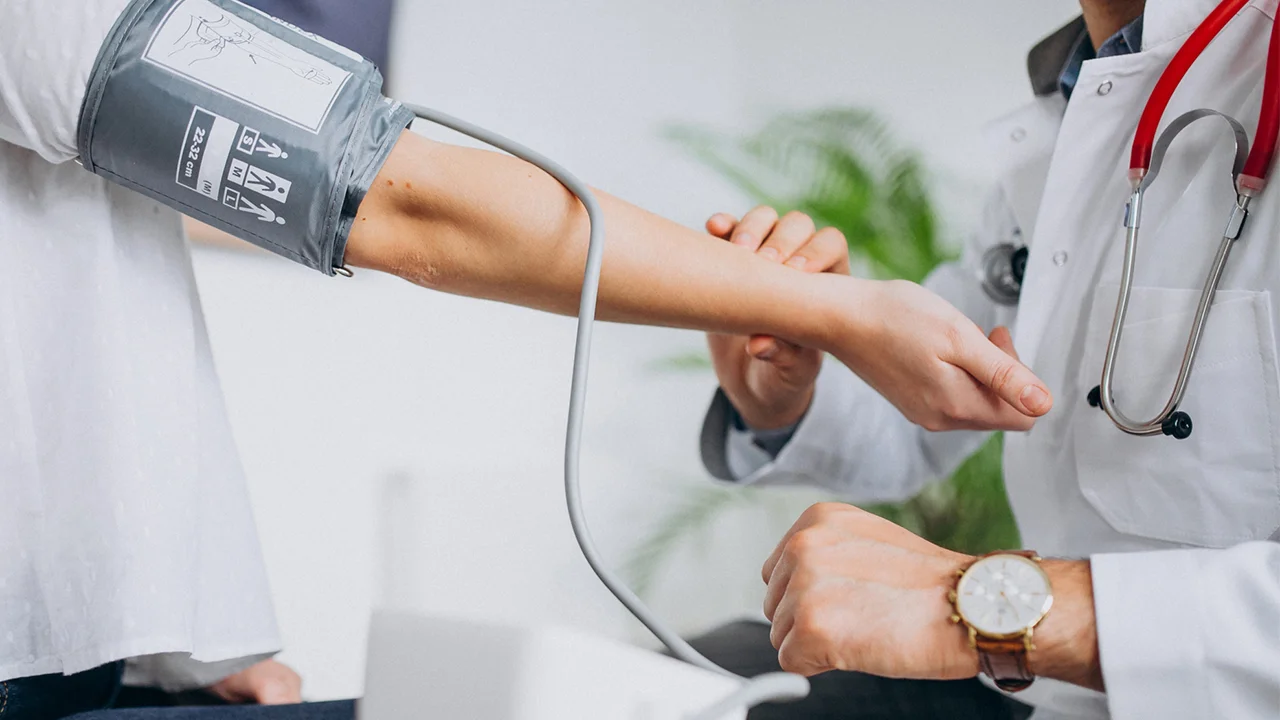
Health care plays an essential role in helping people maintain a healthy and active life. While many individuals seek medical attention only when they feel unwell, regular health care checkups offer a proactive way to monitor overall health and detect potential concerns before they become serious. These routine visits are an important part of maintaining physical and mental well-being throughout every stage of life.
Regular health care checkups are not only for older adults or people with existing medical conditions. Children, teenagers, adults, and seniors all benefit from consistent health assessments. By making routine checkups a priority, individuals can gain a better understanding of their health and receive guidance that supports a healthier lifestyle.
Why Routine Health Care Checkups Matter
Routine health care checkups allow health care professionals to evaluate a person’s overall condition, monitor changes over time, and identify possible health concerns at an early stage. Early detection often makes it easier to manage many conditions and supports better long-term outcomes.
These visits also provide an opportunity to discuss lifestyle habits, ask questions about health concerns, and receive personalised advice for improving overall wellness.
Rather than waiting for symptoms to appear, regular checkups help people stay informed about their health status.
Supporting Physical Health
Physical health is influenced by many factors, including nutrition, physical activity, sleep, and daily habits. During a routine checkup, health care professionals can evaluate important aspects of physical well-being and recommend practical ways to maintain or improve health.
Regular monitoring helps individuals understand whether they are meeting their wellness goals and encourages healthy decision-making throughout the year.
Small adjustments made early can contribute to significant improvements over time.
Early Identification of Health Concerns
Many health conditions develop gradually and may not cause noticeable symptoms during the early stages. Routine health care checkups increase the likelihood of identifying these concerns before they become more serious.
Early identification allows individuals to take appropriate action sooner, which often leads to better recovery and improved quality of life.
This preventive approach reduces unnecessary complications and encourages long-term wellness.
Promoting Healthy Lifestyle Choices
Health care checkups provide valuable opportunities to discuss everyday habits that influence overall well-being. Professionals often offer guidance that helps individuals make healthier choices based on their age, lifestyle, and personal needs.
Some healthy habits commonly encouraged include:
- Eating balanced meals that include a variety of nutritious foods.
- Staying physically active through regular exercise or daily movement.
- Getting enough sleep while managing stress in healthy ways.
These habits support overall health and help maintain energy throughout daily life.
Benefits for Children and Teenagers
Young people experience continuous physical and emotional development. Routine health care checkups help monitor growth, development, and general wellness during these important years.
Parents also receive useful advice on nutrition, physical activity, healthy routines, and age-appropriate wellness practices. Regular visits encourage children to become comfortable discussing their health and understanding the importance of lifelong preventive care.
Developing positive health habits early often leads to healthier adulthood.
Supporting Adult Well-Being
Adults frequently balance work, family responsibilities, and personal commitments, making it easy to postpone routine health care visits. However, regular checkups help adults monitor their health while maintaining an active lifestyle.
These appointments provide an opportunity to discuss changes in physical or emotional well-being and receive practical recommendations for maintaining good health.
Making time for routine care demonstrates a commitment to long-term wellness.
Healthy Ageing Through Regular Checkups
As people grow older, their health needs naturally change. Routine health care visits become increasingly valuable in supporting independence and maintaining a high quality of life.
Regular assessments help monitor physical function, mobility, nutrition, and overall wellness. Health care professionals can also recommend lifestyle adjustments that support healthy ageing and continued daily activity.
Consistent care encourages older adults to remain active and engaged within their communities.
Building Confidence Through Health Awareness
Knowing more about personal health often leads to greater confidence when making everyday decisions. Regular checkups help individuals understand their body’s changing needs and encourage open communication with health care professionals.
Greater awareness allows people to recognise early warning signs, maintain healthy habits, and take positive steps toward improving their well-being.
Being informed is one of the strongest foundations of preventive health care.
Encouraging Families to Prioritise Checkups
Families that value routine health care visits often develop healthier lifestyles together. Parents who attend regular checkups set positive examples for their children, encouraging lifelong habits that support overall wellness.
Simple family routines can strengthen healthy living, including preparing nutritious meals together, participating in outdoor activities, and maintaining regular sleep schedules.
Supporting one another creates a healthier home environment for everyone.
Conclusion
Regular health care checkups are an important investment in long-term well-being. They help individuals monitor their health, identify concerns early, and receive practical guidance that supports healthier daily living. Rather than focusing only on illness, routine checkups promote prevention, education, and overall wellness.
By combining regular health care visits with balanced nutrition, physical activity, adequate rest, and healthy lifestyle choices, people of all ages can enjoy improved quality of life. Making routine checkups part of everyday health care is a simple yet effective way to support lifelong wellness and build a healthier future for individuals and families alike.
