

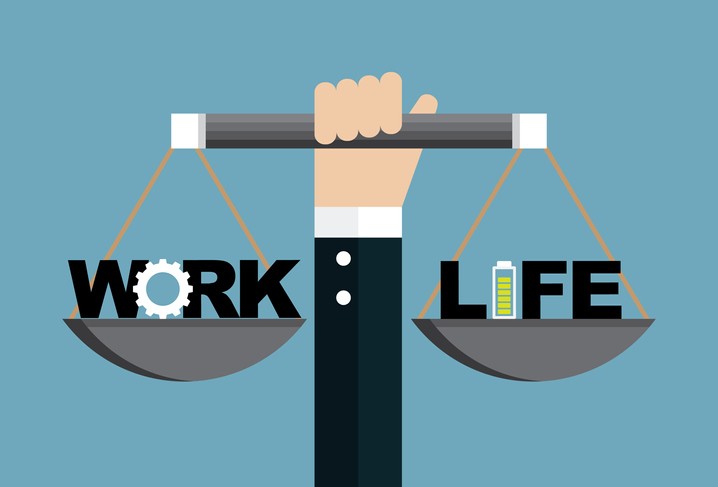
In the modern world, the concept of work-life balance has evolved into a paramount pursuit for both professional fulfillment and personal well-being. As the boundaries between work and personal life continue to blur, particularly with the rise of remote work and the demands of a 24/7 digital world, achieving a healthy balance has become increasingly challenging. Yet, it is precisely this balance that is essential for long-term success, ensuring not only productivity in the workplace but also sustainability in personal health and happiness. While basic strategies like time management and setting boundaries are important, more advanced tactics are required for those who seek long-term success. These strategies address deeper, more systemic aspects of work-life balance, focusing on mindset, adaptability, and proactive planning.
1. Establish Clear, Intentional Priorities
At the core of work-life balance lies the need for clarity—clarity about what truly matters in both your professional and personal life. Many individuals struggle with balance because they have not taken the time to define what success means to them personally or professionally. Without a clear set of priorities, everything feels urgent and important, leading to burnout and stress.
How to implement it:
Start by defining your top three to five priorities in both your work and personal life. These should be the areas where you invest your time and energy most. For example, professionally, your priorities might include career growth, leadership development, and delivering quality work, while personally, they could be health, family, and self-care. With these priorities clearly defined, decision-making becomes easier—everything that doesn’t align with your priorities can be deferred, delegated, or even discarded.
Real results:
By establishing clear priorities, you are better equipped to say “no” to distractions and unimportant demands. This reduces the stress of overcommitment and creates a more focused approach to achieving both career and personal goals. Over time, you will find that maintaining focus on your priorities fosters a deeper sense of satisfaction and success in both spheres of life.
2. Leverage Time Management Beyond Basic Planning
Traditional time management techniques, such as to-do lists and calendar blocking, are useful but often insufficient in achieving true work-life balance. The advanced strategy here is to focus not just on how you manage time but on how you align your tasks with your energy levels, attention span, and long-term objectives. This approach allows for greater efficiency, less wasted time, and, ultimately, a more fulfilling use of your hours.
How to implement it:
Start by using the concept of energy management, which entails scheduling demanding tasks when your energy is at its peak. For example, if you’re most alert in the mornings, use that time to tackle complex projects or problem-solving tasks. Conversely, save less demanding tasks, such as administrative work or answering emails, for periods when you know your energy will be lower. This strategy not only maximizes your efficiency but also ensures that your energy is used effectively, making room for personal time without sacrificing professional performance.
Another powerful time management tool is task batching. This involves grouping similar tasks together to minimize transition time and cognitive load. For instance, rather than checking emails throughout the day, designate a specific time window for responding to emails and other routine administrative tasks.
Real results:
When tasks are aligned with your natural rhythms and energy, you will experience less fatigue, greater productivity, and a sense of accomplishment. This strategic alignment reduces work stress and frees up more time for your personal life, enhancing overall well-being and success in the long term.
3. Set Boundaries with Precision and Intent
In an era of constant connectivity, setting and enforcing boundaries is a critical skill. Yet, it is not enough to simply draw broad boundaries between work and life. Advanced boundary setting requires precision and consistency, ensuring that your work does not seep into your personal time and that your personal life doesn’t interfere with professional responsibilities.
How to implement it:
The first step is to establish communication norms with colleagues, supervisors, and clients. Set clear expectations about your working hours, response times, and the channels through which you can be reached outside of office hours. Consider using tools such as an automated email response to clarify when you will and will not be available. This is particularly important for remote workers, who may face pressure to be constantly “on.”
Another key boundary-setting strategy is to leverage technology intentionally. Turn off notifications on your phone for work-related apps during non-working hours, and designate specific spaces for work, especially when working from home. Having a designated work space can mentally and physically separate your professional and personal lives.
Real results:
Clear, firm boundaries prevent the erosion of personal time, allowing for true mental and emotional recovery outside of work. When work is restricted to set hours and designated spaces, you not only preserve your well-being but also enhance focus and productivity during work hours. This leads to greater satisfaction, both in your career and your personal life.
4. Cultivate a Growth-Oriented Mindset
A growth mindset, as popularized by psychologist Carol Dweck, is an essential component of sustainable success. This mindset encourages the belief that abilities and intelligence can be developed over time through effort and learning. When applied to work-life balance, a growth mindset can help you view challenges as opportunities to grow, rather than insurmountable obstacles.
How to implement it:
Start by embracing setbacks and failures as learning experiences. Rather than feeling defeated by work challenges or personal limitations, use them as stepping stones toward improvement. Apply the same mindset to your personal life: if you struggle to find time for exercise or relaxation, rather than labeling yourself as “lazy,” view it as an opportunity to refine your schedule or change your approach.
Additionally, seek out continuous learning in both professional and personal areas. This might include attending professional development courses, pursuing a hobby, or engaging in activities that enhance mental or physical well-being. A growth-oriented approach ensures that every aspect of your life, both professional and personal, is continually evolving, contributing to greater satisfaction and balance.
Real results:
Adopting a growth mindset results in improved resilience, greater problem-solving skills, and a heightened sense of control over your life. With this mindset, you approach stressors with curiosity rather than frustration, which allows you to navigate work-life challenges more effectively. Over time, this leads to greater long-term success and personal fulfillment.
5. Delegate and Automate to Optimize Your Time
One of the most overlooked strategies for work-life balance is the delegation and automation of tasks. Whether in your personal or professional life, offloading responsibilities that are not essential for your direct involvement can save you considerable time and energy.
How to implement it:
At work, identify tasks that can be delegated to colleagues or outsourced to professionals. If your role involves repetitive or time-consuming tasks, look into automation tools that can help streamline workflows. For instance, project management software can automate reminders and track progress, while virtual assistants can handle administrative tasks.
At home, delegate household chores or hire services when possible. In addition, look for opportunities to automate routine aspects of your life, such as bill payments, grocery shopping (using delivery or subscription services), and managing personal appointments with scheduling tools.
Real results:
Delegation and automation free up substantial time, reducing feelings of overwhelm and providing more opportunities to focus on activities that contribute to your well-being and success. By automating and delegating effectively, you regain control of your time and energy, allowing you to focus on what truly matters.
6. Embrace Flexibility and Adaptability
Finally, one of the most advanced and yet most essential strategies for long-term work-life balance is adaptability. Life is inherently unpredictable, and rigid routines or expectations can quickly lead to frustration and burnout. Instead, develop the ability to pivot when necessary, without losing sight of your overall goals.
How to implement it:
Create a flexible routine that allows for adjustments based on changing circumstances. This might mean occasionally shifting your work hours to accommodate family needs or altering your self-care practices based on how you’re feeling. Rather than seeing unexpected challenges as roadblocks, embrace them as part of the journey, knowing that balance is not about perfection but adaptability.
Real results:
Embracing flexibility allows you to stay grounded even in the face of chaos. It reduces stress by removing the pressure to adhere to rigid plans and fosters resilience, enabling you to thrive in the long term. When you allow space for change and adjustment, work-life balance becomes a sustainable, dynamic process rather than a fixed goal.
Conclusion: The Long-Term Investment in Balance
Achieving true work-life balance is not a one-time task but an ongoing process that requires mindfulness, effort, and a willingness to adapt. By incorporating advanced strategies—such as prioritizing intentionally, managing energy, setting precise boundaries, cultivating a growth mindset, delegating tasks, and embracing flexibility—you can create a harmonious and sustainable balance that leads to long-term success. These strategies are not quick fixes but investments in your future well-being and professional growth. When applied consistently, they not only help you balance work and life but also allow you to excel in both, fostering success, satisfaction, and lasting happiness.
