

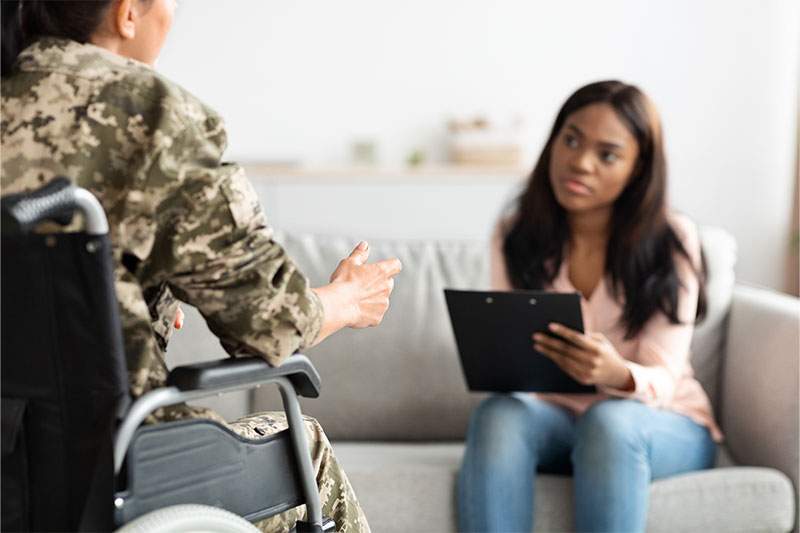
Veterans across Australia carry unique health needs shaped by their service. While digital consultations have expanded options for many, face to face veteran care remains central to good health outcomes. Sitting across from a doctor, being physically examined, and speaking openly in a private room offers something screens cannot fully replace.
In-person appointments allow clinicians to pick up on subtle signs that video calls often miss. A GP can notice changes in posture, weight, skin condition, or mood during a visit. For veterans managing complex or overlapping conditions, this attention matters. Face to face veteran care also builds trust, and trust encourages people to speak honestly about symptoms they might otherwise keep private.
Physical health support is one clear area where being present counts. Many Australian veterans live with musculoskeletal injuries, hearing loss, or chronic pain linked to their service. Hands-on assessment helps a practitioner understand the full picture. In-person face to face care lets physiotherapists, GPs, and specialists test movement, check reflexes, and adjust treatment plans in real time. This direct approach often shortens the path to an accurate diagnosis.
Mental health and human connection
Mental health support is another area where physical presence carries weight. Conditions such as post-traumatic stress, anxiety, and depression are common among those who have served. Talking through difficult experiences works best when a person feels safe and understood. A quiet consulting room, steady eye contact, and an unhurried conversation create the conditions for genuine progress.
Human connection sits at the heart of good care. Veterans may find it hard to trust new people, particularly when discussing sensitive matters. Regular in-person visits with the same GP or counsellor build familiarity over time. That continuity helps clinicians track how someone is coping and respond quickly if things change. It also gives veterans a reliable point of contact within the health system.
GP visits and specialist consultations
The GP is often the first stop for veterans managing their health. A regular doctor coordinates referrals, monitors medications, and keeps an eye on long-term conditions. In-person visits give the GP a fuller sense of a patient’s wellbeing, from physical symptoms to signs of stress or isolation. This broad view supports better decisions about ongoing treatment.
Specialist consultations add another layer of support. Veterans may need to see cardiologists, orthopaedic surgeons, audiologists, or psychiatrists depending on their circumstances. Face to face appointments with these specialists allow for detailed testing and clear discussion of results. Being in the room together helps patients ask questions and understand their options without confusion.
Access to in-person care can be harder for veterans in regional and rural parts of Australia. Long distances and limited local services create real barriers. Even so, the value of direct contact means many people travel to reach the care they need. Supporting these visits, through transport help and local clinics, keeps veterans connected to the health system.
In-person healthcare gives Australian veterans practical support and a sense of being heard. It combines skilled assessment with the human warmth that recovery so often depends on.
